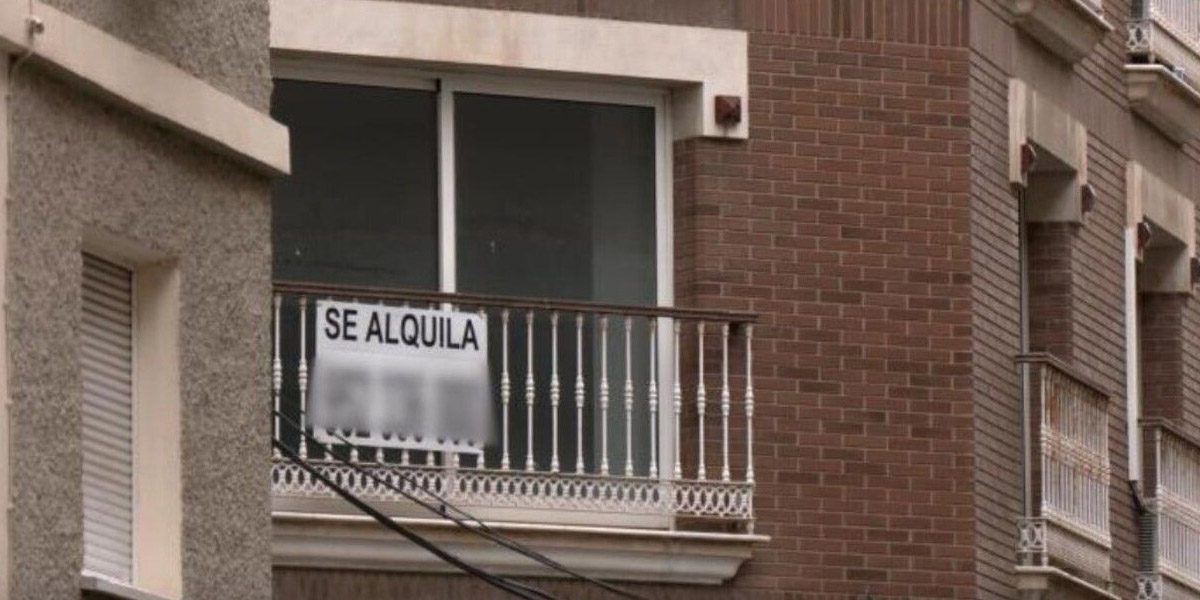
A recent study by InfoJobs and Fotocasa reveals that people spend, on average, 47% of their gross salary on rent, a figure well above the 30% recommended by household finance experts. This situation not only reflects the gap between wages and housing prices, but also highlights a growing affordability crisis that particularly affects young people and households with low to medium incomes.
Rent increases outpace wage growth
The gap between prices and wages
In 2024, the average rent in Spain reached €13.29 per square metre, which translates to €1,063 per month for an 80-square-metre property.
Meanwhile, the average annual gross wage rose by a mere 3.1%, compared to a 14% increase in the cost of rent.
This imbalance has led to more and more families spending almost half their income solely on rent.
Why are rents rising so much?
- High demand in urban and coastal areas.
- Lack of affordable housing supply.
- Impact of inflation and rising mortgage costs.
- Investment in housing as a financial asset.
Regions most affected by rising rents
Regions with the highest housing costs
Some autonomous communities are in a critical situation:
Madrid: the average rent exceeds 60% of gross salary.
Catalonia: in cities such as Barcelona, the housing cost exceeds 65%.
Balearic Islands: residents spend over 63% of their income on rent.
These regions account for a large proportion of tourism, economic activity and employment, which puts even more pressure on housing prices.
Impact on young people and housing vulnerability
Young people with no access to independent housing
In cities such as Valencia, the rent for a studio flat represents 108% of the average youth wage
In Barcelona, Madrid, and Palma, almost all of a young adult’s income is required to cover the cost of renting a 40–50 m² flat.
This situation slows down young people’s independence, reduces the birth rate, and creates a vicious circle of family dependency and precariousness.
Outlook and possible solutions
What is being done and what is proposed?
Various experts and organisations are proposing measures to tackle this housing crisis:
- Rent control in high-demand areas.
- Investment in public and social housing to expand the supply of affordable accommodation.
- Tax incentives for landlords who rent at reasonable prices.
- Regulation of tourist rentals to balance the residential supply.
What can we expect?
Although some autonomous communities are taking measures, the impact will be gradual. Experts agree that a long-term, coordinated strategy is needed between central government, autonomous, communities and local councils.
The disproportionate rise in rents compared to wages is creating a new form of economic inequality in Spain. Unless the structural causes of the problem are urgently addressed, access to housing will remain unattainable for many citizens. Si no se abordan con urgencia las causas estructurales del problema, el acceso a la vivienda seguirá siendo una meta inalcanzable para muchos ciudadanos.
If you found this information useful, subscribe to our newsletter to receive more news and advice on the property sector.